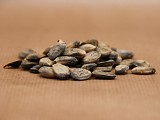
Larval Body & Stroma, 1 Gr from Nepal (SKU 6033)
Wild Yarsa Gumba from Bajhang, western Nepal, carefully sourced from high-altitude Himalayan harvesters. Also known as Ophiocordyceps sinensis or “Himalayan Gold”, Yarsa Gumba is a rare natural fungus-insect organism formed when the fungus parasitises the larva of a ghost moth in alpine meadows. Traditionally valued in Himalayan, Tibetan, Chinese, and Ayurvedic contexts as a fortifying tonic, it is associated with vitality, endurance, breath, resilience, and long-term strength. Each piece varies naturally in size, colour, and form. For more background on origin, use, quality, and size, please read the description below, or our full Yarsa Gumba article.
Packed per 1 gram in a protective plastic tube.



Yarsa Gumba (Ophiocordyceps sinensis) - Wild Bajhang Origin, Nepal
Yarsa Gumba, known scientifically as Ophiocordyceps sinensis, is one of the rarest and most valued natural substances of the Himalayan region. It is neither plant nor animal, but a remarkable alpine fungus that completes its life cycle by parasitising the larva of a high-altitude ghost moth. The result is a single organism composed of a mummified caterpillar body and a slender fungal fruiting stalk, which emerges briefly from the soil in spring.
Our Yarsa Gumba originates from Bajhang in western Nepal, a remote Himalayan region known for high-altitude meadows, snow-fed landscapes, cold alpine conditions, and traditional seasonal harvesting. The material is collected at approximately 3,600–4,800 metres, where long winters, clean mountain air, snowmelt, rich alpine soils, and slow natural development create the conditions required for genuine wild Yarsa Gumba.
Each year, between mid-April and early June, local Himalayan families travel into the high mountains for the Yarsa season. Temporary camps are established in alpine meadows, and collectors spend long days searching carefully for the tiny brown stalk that reveals a Yarsa hidden beneath the soil. For many families, this harvest is not merely a product, but a seasonal livelihood, a form of inherited knowledge, and an important part of mountain culture.
Video: Yarsagumbu: The Himalayan Treasure Everyone Wants
Available Presentations
Our Yarsa Gumba is available in several carefully prepared forms.
- The traditional whole larva-stroma specimens are offered by the gram and packed in protective plastic tubes to preserve their fragile natural structure.
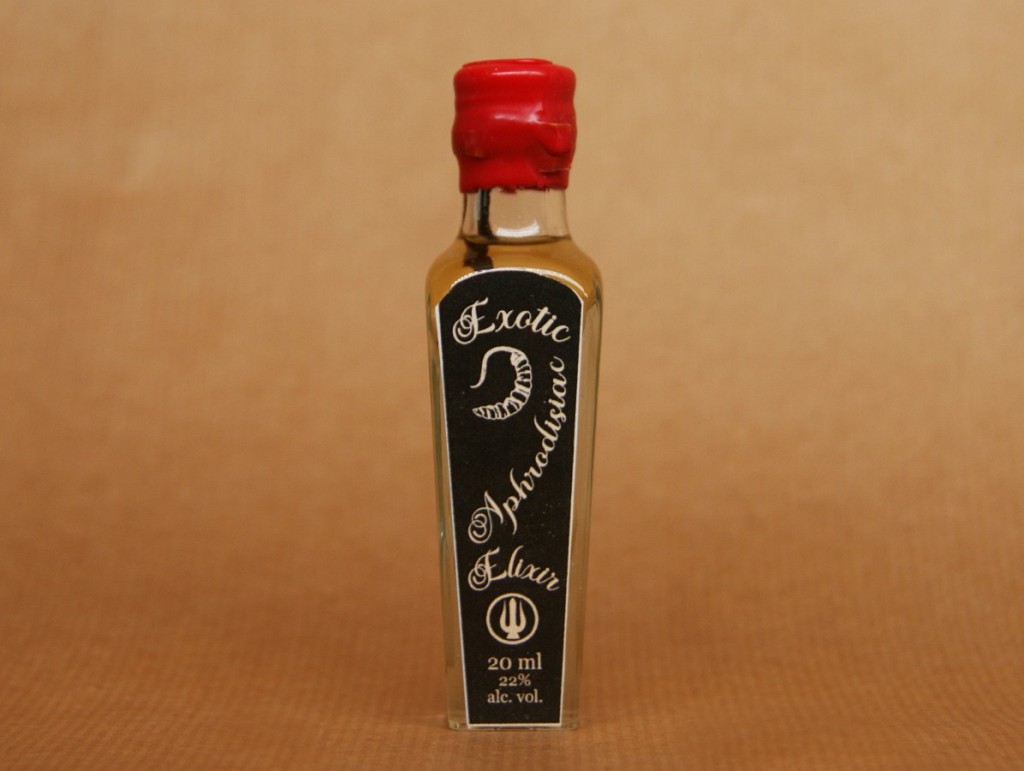
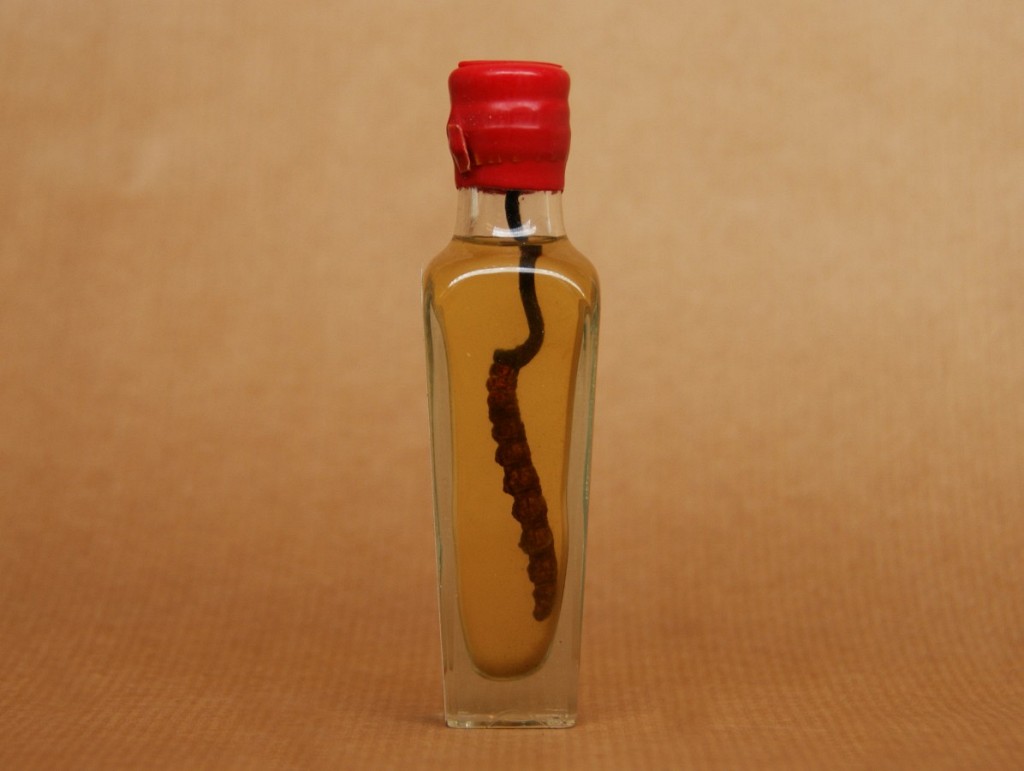
- For those drawn to liquid preparations, we also offer a Yarsa Gumba elixir in a decorative 20 ml glass bottle with approximately 20% alcohol, finished with a wax-sealed lid.
- A limited collector’s version is also available, presented in a smart laser-cut wooden box designed to hold the bottle neatly together with its accompanying leaflet. This makes the collection suitable both for practical use and for those who appreciate Yarsa Gumba as a rare ethnobotanical specimen, display piece, or distinctive gift.
Yarsa Gumba Exotic Aphrodisiac Elixir - Collector’s Bottle
This special Yarsa Gumba elixir is presented in a decorative 20 ml glass bottle with an alcohol-based preparation of approximately 20%, finished with a wax-sealed lid. The bottle sits neatly inside a custom laser-cut wooden box, designed to hold the piece securely together with its accompanying leaflet. The leaflet introduces the preparation as an “Exotic Aphrodisiac Elixir”, macerated in artisanal mezcal and combining traditional and exotic ingredients known in various traditional contexts for their aphrodisiac associations.
The leaflet highlights Yarsa Gumba, also known as Cordyceps sinensis, traditionally nicknamed “Himalayan Viagra” and associated with stamina, libido, circulation, and energy. It also mentions Pipilongo, or Piper longum, traditionally used in Ayurvedic medicine and associated with warmth, arousal, and blood flow. Another ingredient listed is 5 Fingered Hand, Dactylorhiza hatagirea, traditionally connected with vitality and sexual health. The blend is completed with Black Ants, Polyrhachis dives, noted in the leaflet for their invigorating and stimulating character.
With its wax-sealed bottle, fitting wooden presentation box, and included leaflet, this is more than a simple herbal preparation. It is a true collector’s item for those who appreciate rare ethnobotanical ingredients, traditional aphrodisiac formulas, and distinctive presentation. The smart laser-cut box makes it suitable as a display piece, unusual gift, or addition to a serious collection of traditional botanical preparations.
Direct-From-Harvester Sourcing
Most Yarsa Gumba passes through several layers of intermediaries before reaching the final buyer. During that process, batches may be mixed, re-sorted, visually upgraded, or combined with material from different origins. Our Bajhang stock is sourced directly from harvesters at camp or village level, helping preserve traceability, origin integrity, and fairer payment to the collecting families.
This direct sourcing allows us to offer authenticated Nepalese Yarsa at a price below common market rates for comparable origin and quality. The lower price reflects reduced intermediary margins, not a compromise in origin, grade, or handling.
Traditional Use and Character
Across Himalayan, Tibetan, Chinese, and Himalayan-Ayurvedic traditions, Yarsa Gumba has long been regarded as a fortifying tonic. It is traditionally associated with vitality, endurance, breath, resilience, recovery, warmth, and long-term strength. It is not generally viewed as a sharp stimulant, but as a deep tonic substance, taken slowly and respectfully in small quantities.
Traditional preparations may include steeping a whole piece in hot water, simmering it in broth, combining it with milk, honey, or ghee, chewing a small piece directly, or adding it to tonic formulas. The whole specimen may be used, including both the mummified caterpillar body and the fungal stalk.
Good wild Yarsa Gumba has a subtle but distinct sensory profile. The aroma is earthy, mineral, slightly fungal, and faintly sweet, sometimes with a mild animal note due to the insect body. The taste is usually earthy, mushroom-like, slightly bitter, mineral, and brothy.
Composition
Ophiocordyceps sinensis contains a range of naturally occurring compounds that have attracted modern scientific interest, including cordycepin, adenosine, polysaccharides, β-glucans, sterols, peptides, amino acids, and other nucleosides. These compounds are commonly discussed in relation to vitality, endurance, oxygen utilisation, immune modulation, and recovery, but such references should be understood as traditional, experiential, or observational rather than medical claims.
Size, Quality, and Potency
A common misconception is that larger Yarsa Gumba pieces are automatically stronger. In reality, size mainly affects visual appeal, collector value, and market price. A larger specimen may look more impressive and may command a higher price, but this does not mean it is necessarily more potent.
Quality is influenced more by correct identification, high-altitude origin, clean ecology, harvest timing, proper drying, careful storage, absence of adulteration, and traceability. A small or medium Yarsa from a clean, high-altitude Bajhang origin can be equal in value for actual use to a larger specimen from the same source.
Small pieces are often practical, more affordable, less fragile, and easier to use. Medium pieces offer a good balance between presentation and accessibility. Large pieces are best understood as premium visual specimens, especially valued by collectors or for high-end presentation.
Wild Yarsa and Cultivated Cordyceps
Wild Yarsa Gumba should not be confused with cultivated Cordyceps militaris, cultured mycelium, capsules, extracts, or mixed mushroom formulas. These products may have their own value, but they are not the same as genuine wild Ophiocordyceps sinensis. True wild Yarsa is the complete natural fungus-insect organism, shaped by ghost moth larvae, alpine soil, snowmelt, altitude, and seasonal Himalayan ecology.
Natural Variation and Storage
As with all genuine wild material, each specimen varies naturally in size, colour, shape, weight, stalk length, and surface texture. This variation is part of its authenticity.
Yarsa Gumba should be stored dry, airtight, and protected from humidity, heat, direct sunlight, insects, mould, and strong odours. Because the pieces are fragile, rigid packaging is recommended, especially for larger specimens.
Further Information
This product description offers a compact overview. For a more complete explanation of Yarsa Gumba, including its biology, harvesting culture, traditional use, scientific composition, sustainability, market reality, and the question of size, please read our full Yarsa Gumba article.
Disclaimer
The information provided above is intended for educational, historical, and informational purposes only. It does not constitute medical advice or a recommendation for any specific use of this product. References to traditional or cultural practices are presented solely for context. The choice to use and apply any product remains entirely at the discretion and responsibility of the customer.
Copyright Notice
All content, including this article, is protected under copyright law. Any unauthorized reproduction, distribution, or use of this material is prohibited. Duplication of this content, in whole or in part, without written consent, is a violation of copyright regulations.
Other names: Ophiocordyceps sinensis (synonym Cordyceps sinensis), Cordyceps militaris, Caterpillar fungus, Yartsa Gunbu, Yarshagumba, Yarchagumba, Yarsagumba, Yartsa Guenboob, Keera Jhar, Keeda Jadi, Keeda Ghas, Ghaas Fafoond.
This natural product is offered for its ethnographic and historical value and is delivered with no expressed or implied fitness for a specific purpose. It is simply a raw botanical specimen, or a scientific sample. The information provided is purely meant for historical, scientific and educational purposes and should never be interpreted as a recommendation for a specific use. The use and application of our product is at the customer's decision, responsibility and risk.
Read our Terms & Conditions for more details.