Supporting the Katukina
A Continuing Commitment to the Noke Ko’í Communities of Acre, Brazil
Helping Turn Rapé Into Direct Support for the Communities Behind the Tradition
Together with our Brazilian partner Conexão Ancestral and our US reseller Katukina.us, and we, Katukina.com we are supporting two important community projects for the Noke Ko'í, commonly known as the Katukina, in the Brazilian Amazon.
The first provides safe and independent river transport to Vari Viño Village through the donation of an 8-metre aluminium boat and motor. The second, the Água Viva project, provides 12 families of Mese Kamanawa Village with a solar-powered artesian well capable of delivering more than 10,000 litres of clean drinking water per day.
These projects have already been substantially funded by Katukina.com and Katukina.us.
Our customers can help us continue this work simply by purchasing any of our available Katukina Rapés — or any other Rapé from our collection.
Purchases help us in two ways: they allow us to replenish part of the substantial funds already committed to these projects, and, more importantly, they help ensure that we can continue supporting the Katukina communities in the future.
This initiative is part of a much wider project created by our long-standing Brazilian partner, connecting established Rapé suppliers with the Indigenous communities behind the medicines they offer. The intention is simple: to create a genuine circle of reciprocity in which part of what comes from the forest ultimately returns to the people who protect its traditions.
Below you can read the detailed story of the initiative, the communities involved, and the progress of both projects.
A Wider Initiative of Reciprocity
Our long-standing source and partner in Brazil, with whom we have worked since the very beginning of sourcing Rapé directly from the tribes, has established an NGO named Conexão Ancestral. Through this organisation, they have initiated a broader programme of direct support for the Indigenous communities and tribes who prepare the Rapé and other traditional plant products that eventually reach people around the world.
Rather than treating this simply as a commercial relationship between producers and resellers, the intention is to create a more meaningful circle of reciprocity: part of what is generated through these medicines and traditional products should return to the communities from which they originate.
A number of established Rapé resellers and specialists have therefore been invited to take responsibility for supporting particular Indigenous communities with whom the network works.
Different partners have contributed substantial donations and practical support to communities including the Yawanawá, Huni Kuin/Kaxinawá, Shawãdawa, and others.
Because of our long relationship with the Katukina people — and naturally because we operate as Katukina.com — our responsibility became the Noke Ko'í, commonly known as the Katukina, of the Campina/Katukina Indigenous Territory in Acre.
At the time this initiative developed, several Katukina communities were in particularly urgent need of assistance. Seasonal flooding and the rising rivers had made access increasingly difficult, leaving villages isolated from the outside world and creating serious problems involving transport, healthcare, food production and access to clean drinking water.
Together, Katukina.com and our American reseller Katukina.us committed funding toward two substantial infrastructure projects intended to create lasting improvements rather than temporary relief.
The Two Katukina Community Projects
1. River Mobility and Sovereignty Vari Viño Village
Vari Viño lies along the Campina River within the Campina/Katukina Indigenous Territory in Acre.
During the Amazonian winter and flood season, rising water can severely isolate the village. This directly affects approximately 38 community members, including children, adults and elders.
The lack of reliable river transport creates several interconnected problems.
Agricultural products such as cassava, bananas and corn cannot always be transported to regional markets in time and may spoil before they can be sold. This affects both food security and the economic independence of the community.
Medical emergencies are another serious concern. Transporting children, elders or other community members requiring urgent assistance becomes difficult and potentially dangerous.
Vari Viño also maintains a spiritual healing centre that has been active for more than nine years. During periods of difficult river access, visitors and community members can struggle to reach the centre safely.
The Solution
Funding was provided for a complete and durable river transport system consisting of:
- an approximately 8-metre aluminium bajola boat, constructed from 3 mm aluminium;
- a 19 HP motor;
- and a long-tail propeller transmission system, locally known as a rabeta.
The boat gives the village its own reliable means of transport rather than leaving the community dependent on outside assistance.
Its purposes include:
- emergency medical transportation;
- transport of agricultural produce;
- movement of families and supplies;
- connection with surrounding communities and regional markets;
- and safe access to the village's healing and ceremonial centre.
This is not simply the donation of a boat. It represents a significant increase in the mobility, independence and sovereignty of the village.
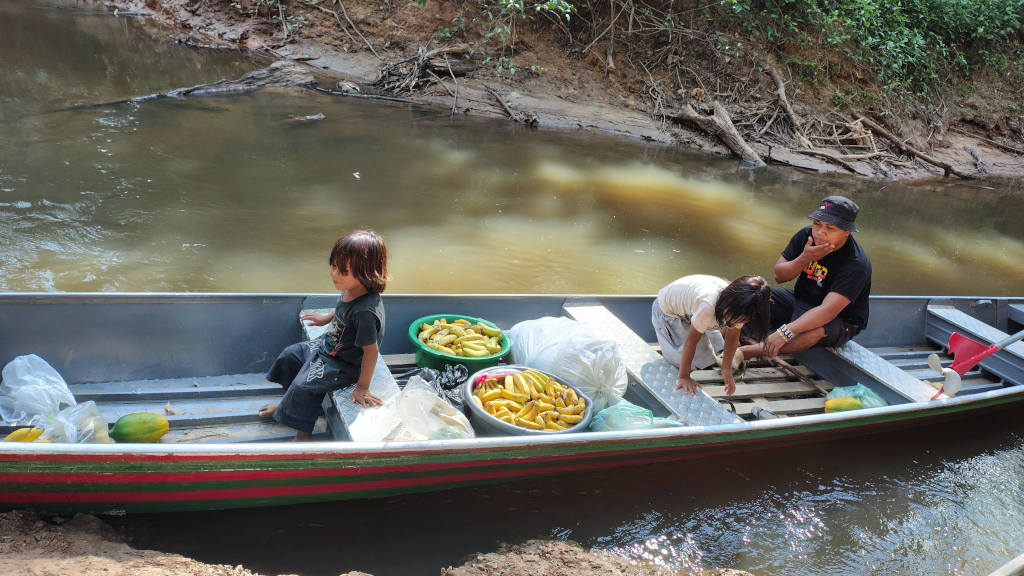
Transporting the first harvest
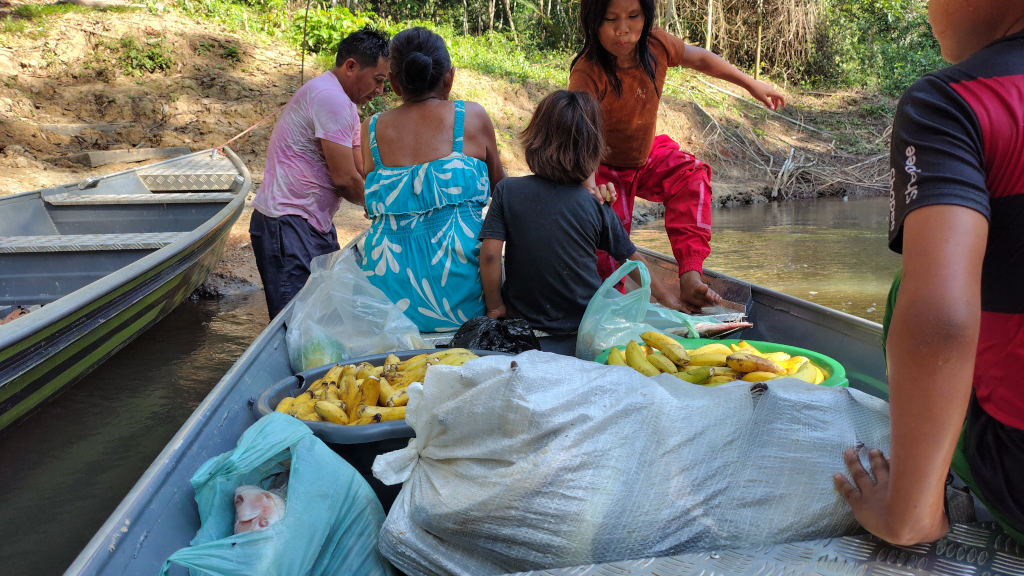
The arrival of the harvest
2. Água Viva – Clean Water and Solar Energy
Mese Kamanawa Village
The second project supports Mese Kamanawa Village, also located within the Campina/Katukina Indigenous Territory near Cruzeiro do Sul in Acre.
Twelve Indigenous families made the conscious decision to move deeper into the forest in order to reclaim a more traditional way of life, further removed from the highway and its outside influences.
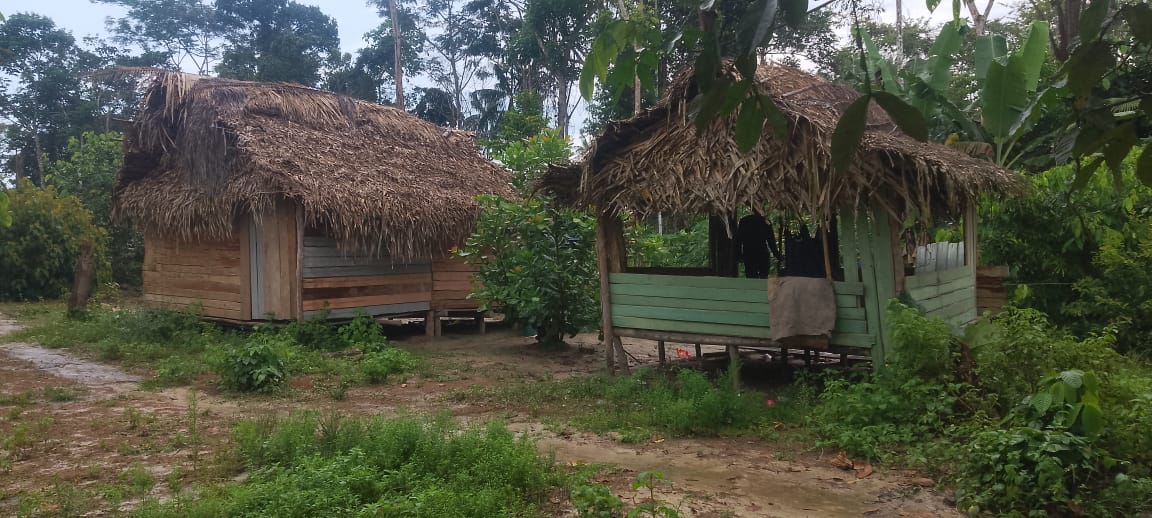
Simple homes in the forest
Living deeper within the forest, however, also created an important practical difficulty: reliable access to safe drinking water.
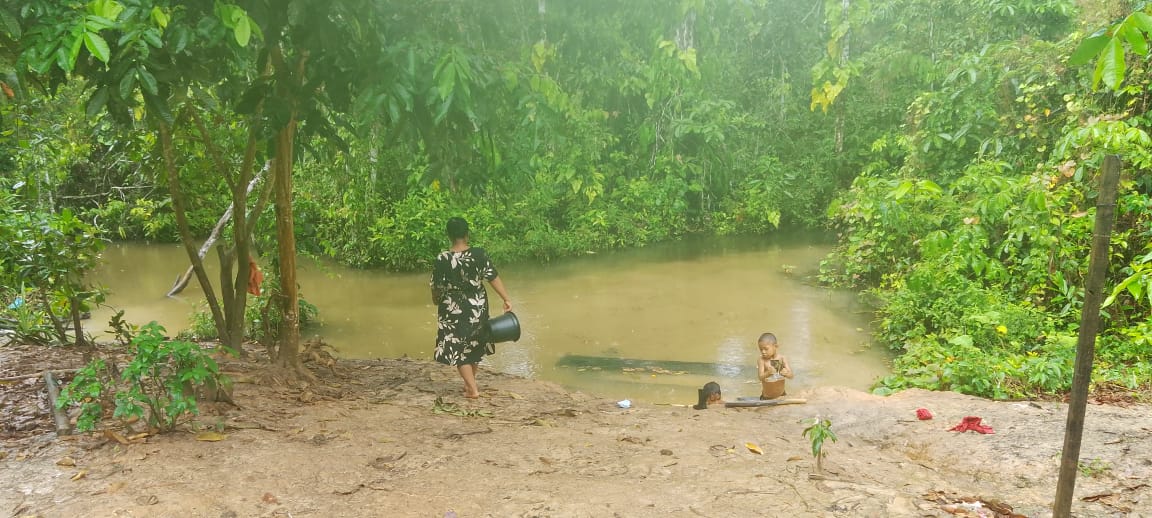
Wano Kamanawa drawing water from a shallow well
Without a protected source of clean water, families face an increased risk from contaminated surface water and waterborne illness, with children and elders among those most vulnerable.
Click here to watch a short video where Wano Kawanawa expresses the urge for support.
The Solution
The Água Viva project was created to establish an independent and sustainable drinking-water supply for the village.
The system consists of:
- a deep artesian well, approximately 30–60 metres deep;
- a submersible water pump;
- and an off-grid photovoltaic solar power system operating the pump.
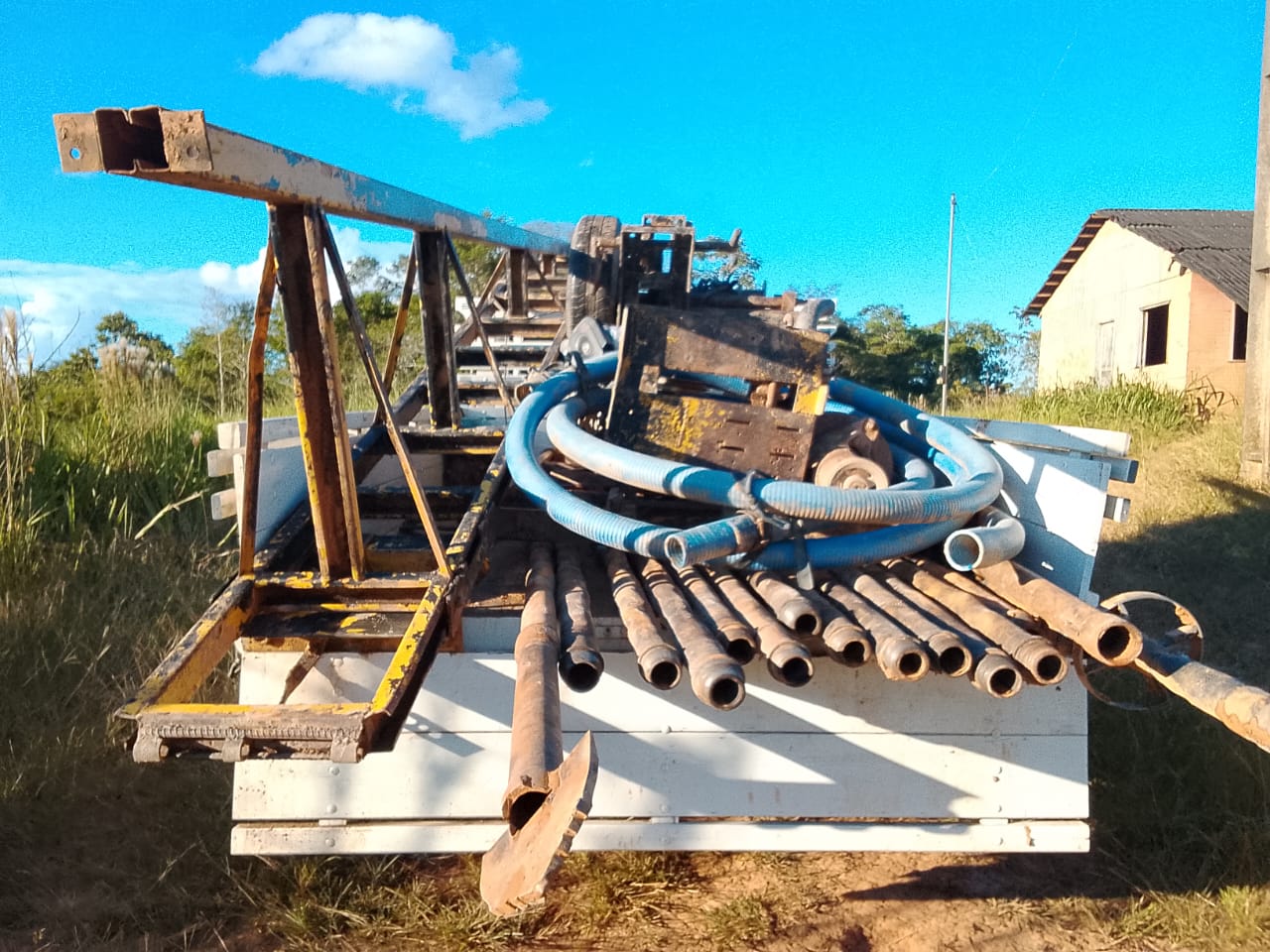
Arrival of drilling equipment in the Mese Kamanawa village
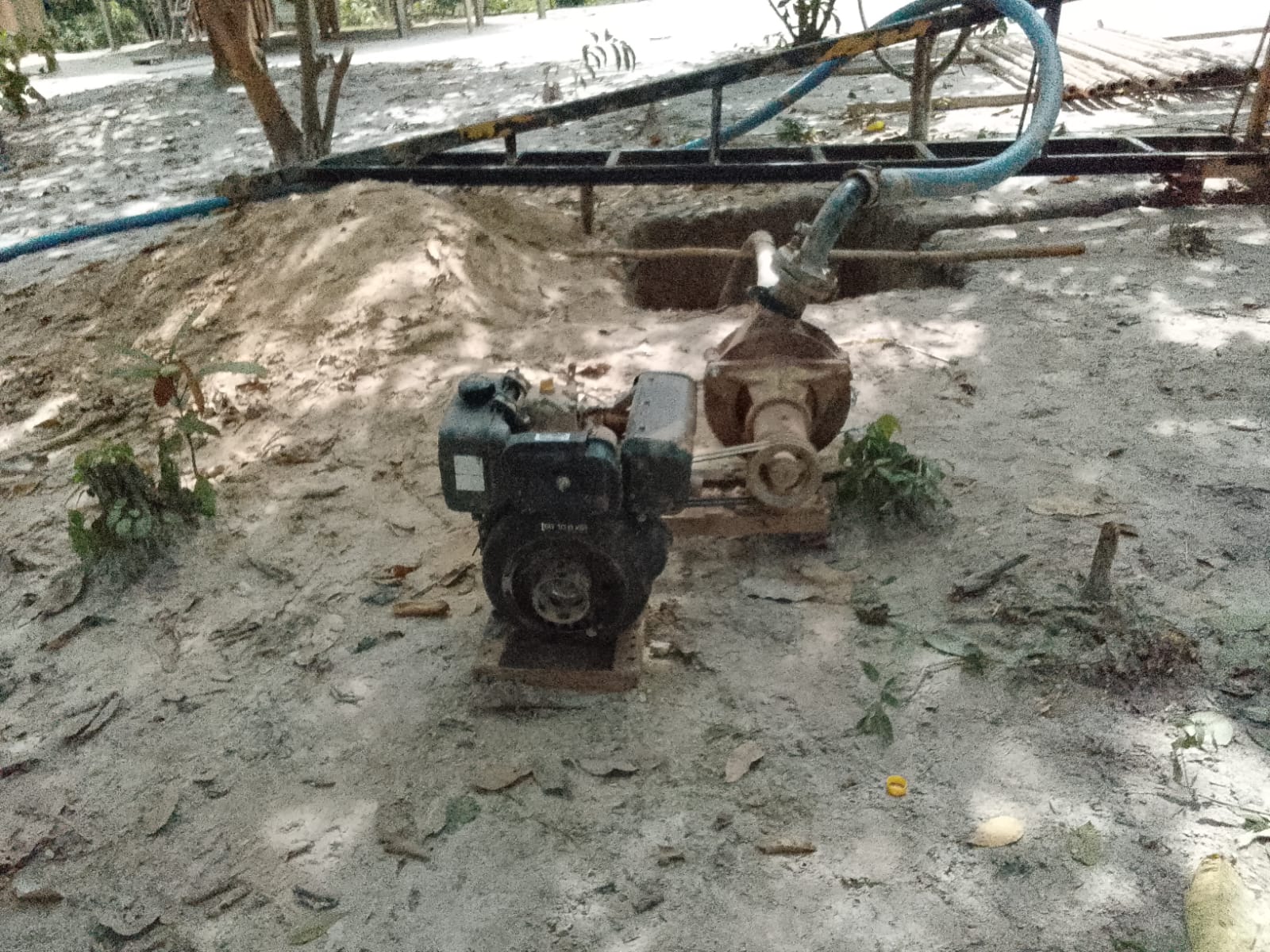
Setting up the drilling rig.
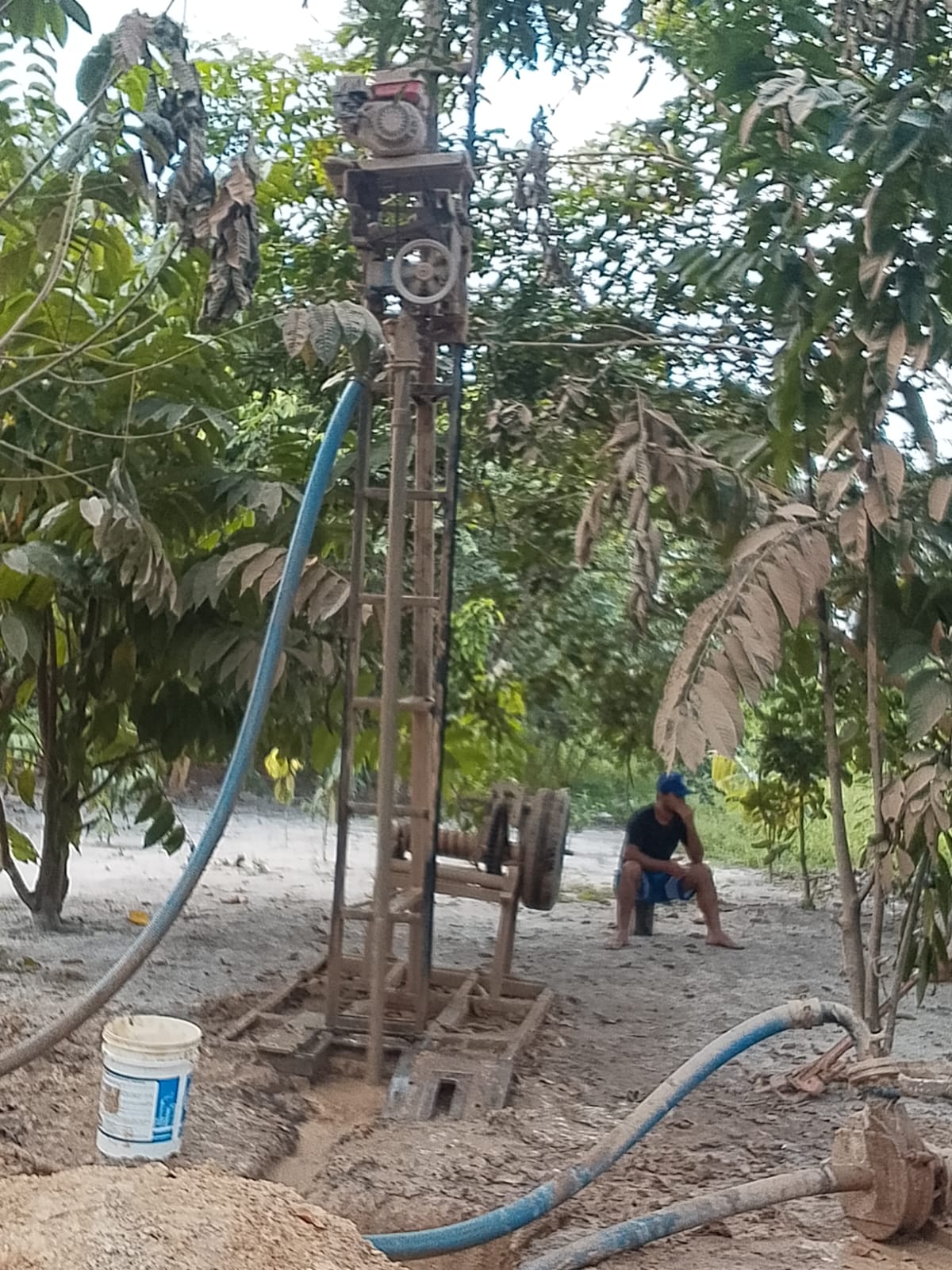
Drilling rig at work on the well.
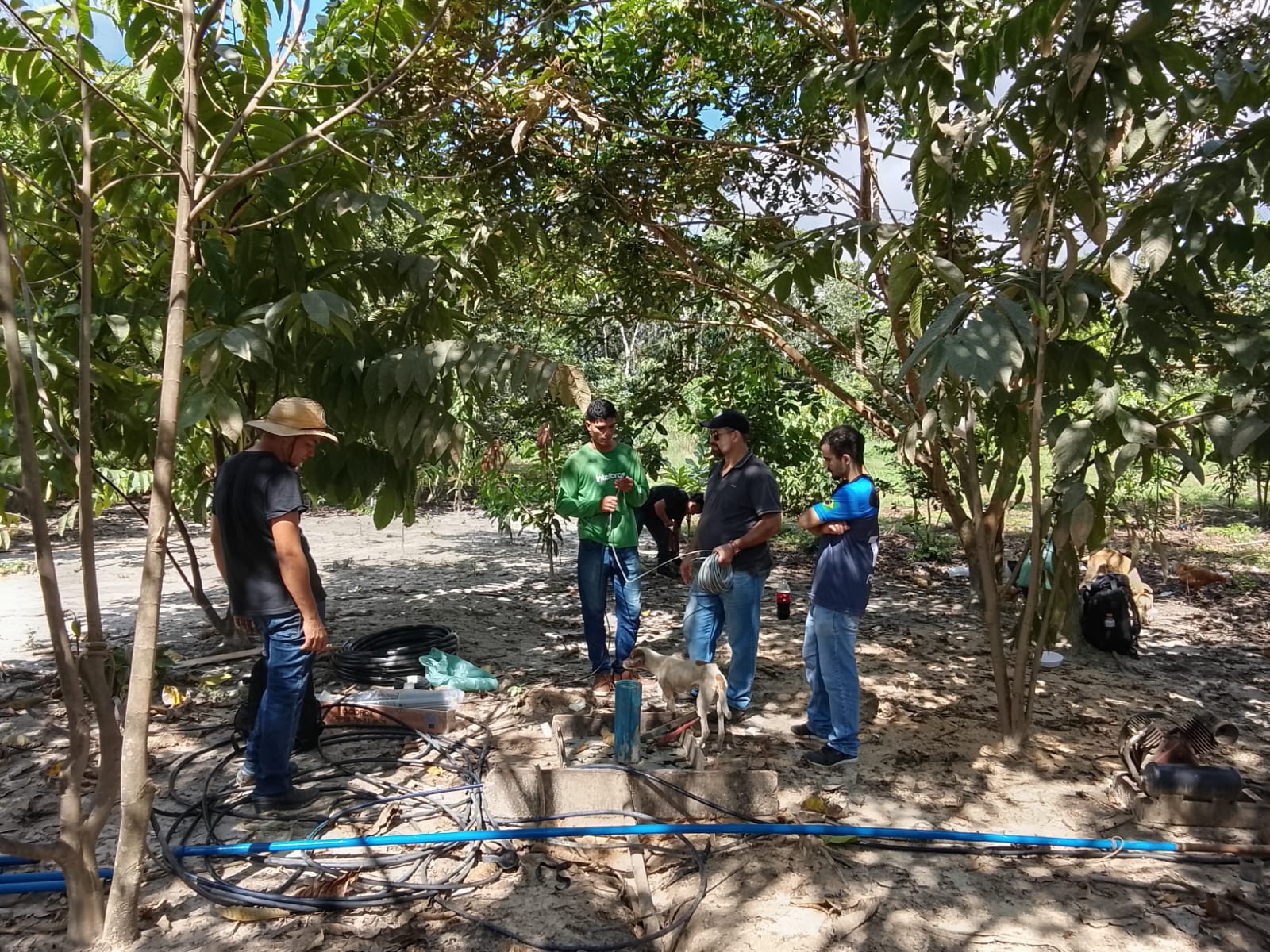
Solar powered pump installation.
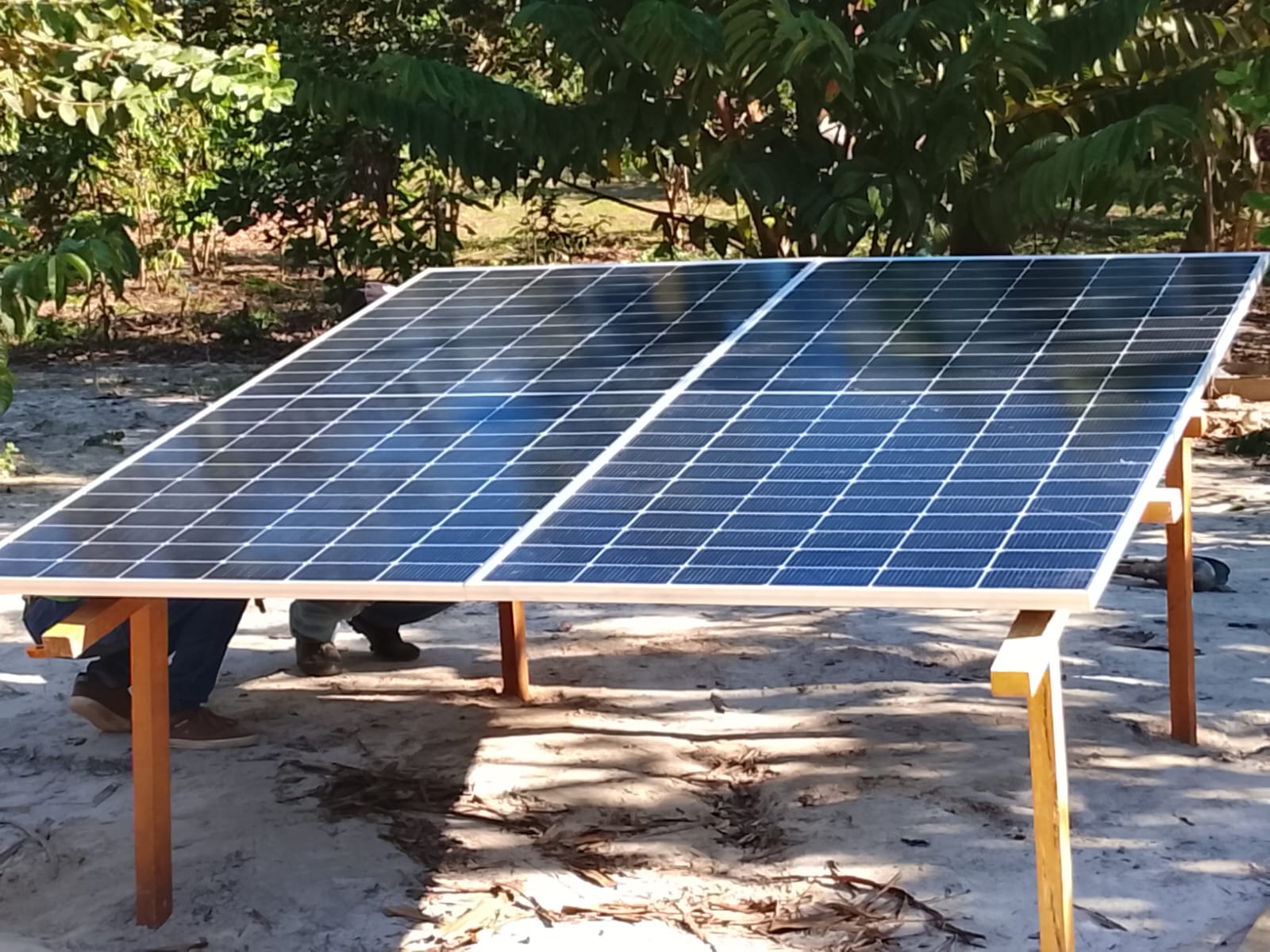
Solar panels installation.
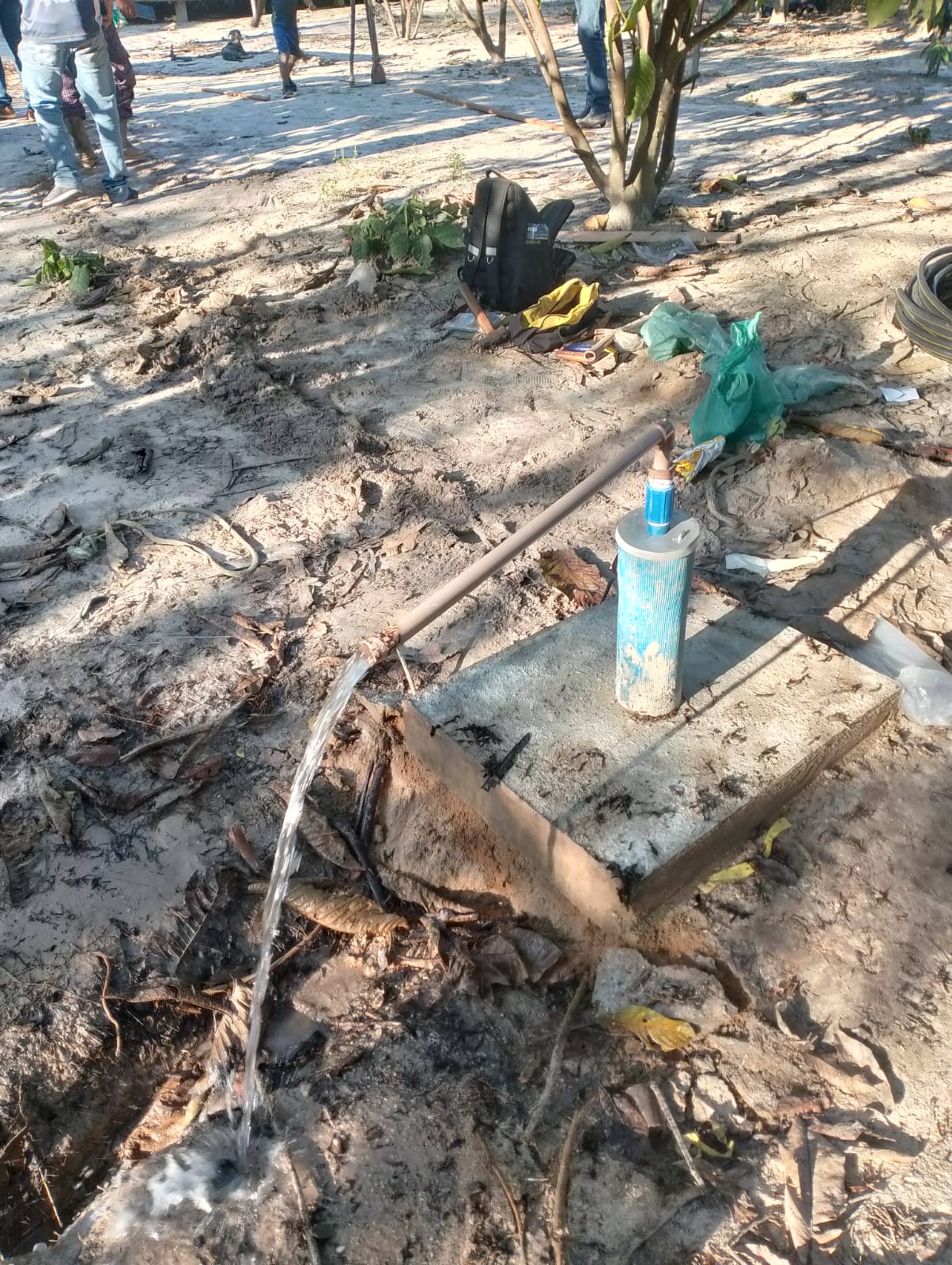
First water flowing from the well. Clean water.
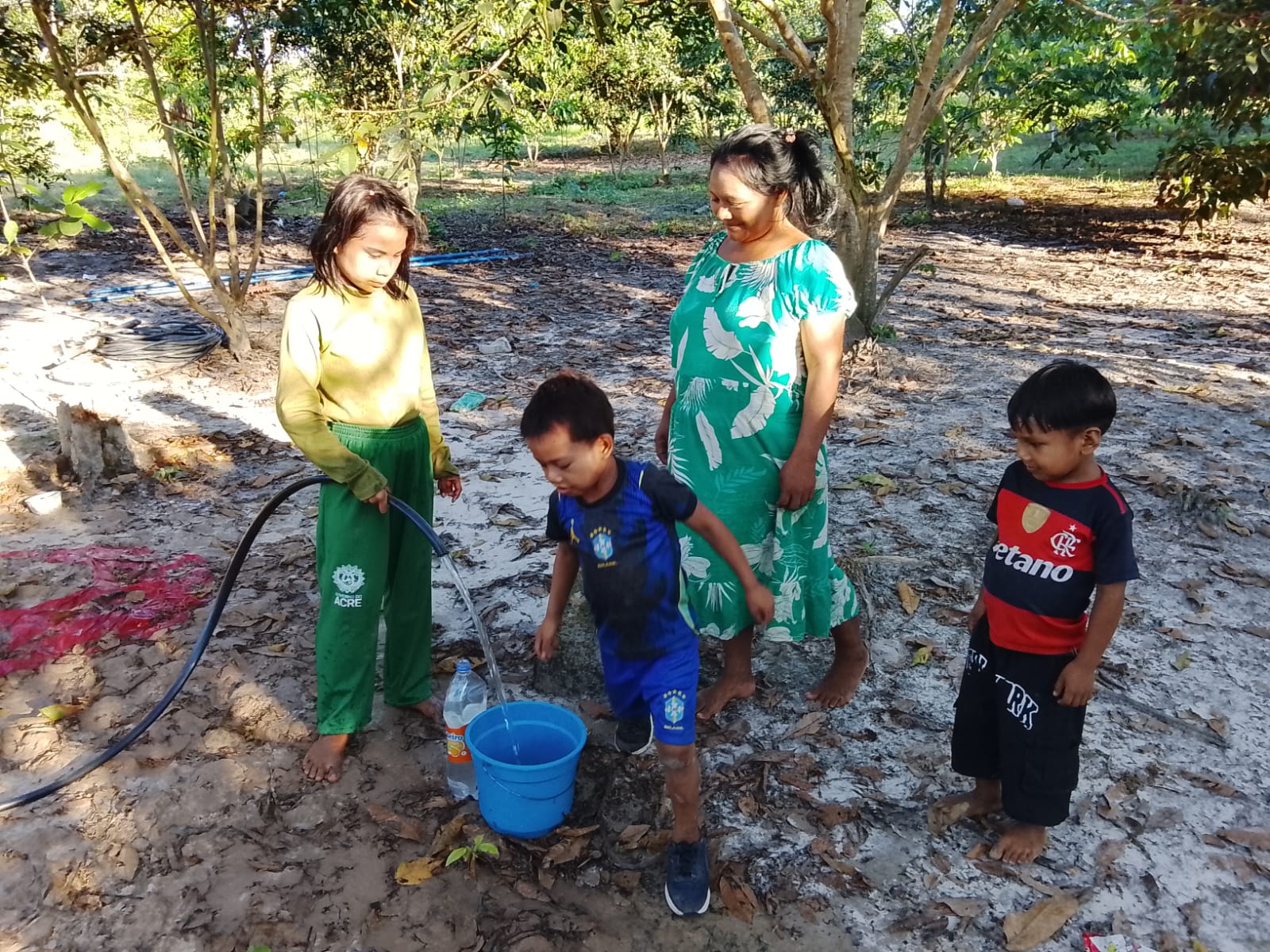
Wano Kawanawa and children using the well for the first time.
Once operational, the installation is capable of supplying more than 10,000 litres of clean drinking water per day, providing for all twelve families.
Because the pump is powered by solar energy, the system requires no ongoing fuel supply and produces no direct fuel emissions.
The result is a permanent piece of community infrastructure providing clean water while strengthening the village's ability to live independently within the forest.
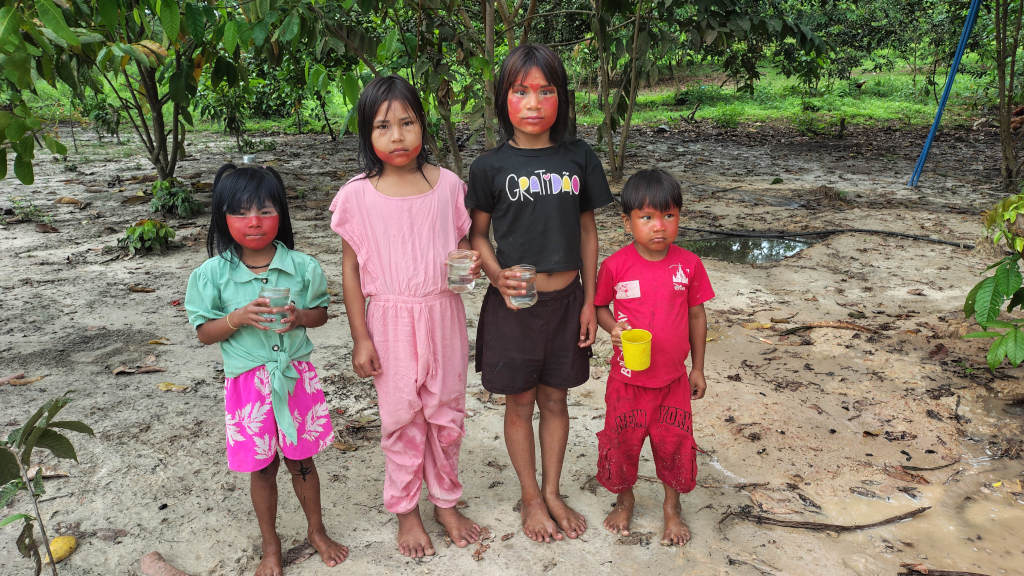
Katukina 'Living Water' Project - Katukina children getting water from the well
July 22, 2026 – Major Milestones Reached
On 22 July 2026, Conexão Ancestral informed us that both projects had reached major implementation milestones.
The boat and motor for Vari Viño had been acquired, bringing the village substantially closer to having its own independent river transportation.
At Mese Kamanawa, the artesian well and solar-powered pumping installation had also progressed to its final implementation stage.
Conexão Ancestral described the projects as an important step toward both community autonomy and long-term sustainability.
At the same time, they began documenting the work through photographs and video so that the people whose purchases and support make projects such as these possible can see the tangible results.
July 22, 2026 – The Boat Begins Its Journey to Vari Viño
Click here to watch the boat transport video.
Later photographic updates showed the chief of Vari Viño retrieving the newly acquired boat along BR-364, the highway passing through the Katukina Indigenous Territory.
From there, the boat was transported onward toward the village.
Further footage was planned showing the community receiving the boat and, subsequently, the boat operating on the Campina River.
For us, this was an especially meaningful moment. What had previously existed as a project proposal and financial commitment had become something tangible: a boat physically making its way toward the community that needed it.
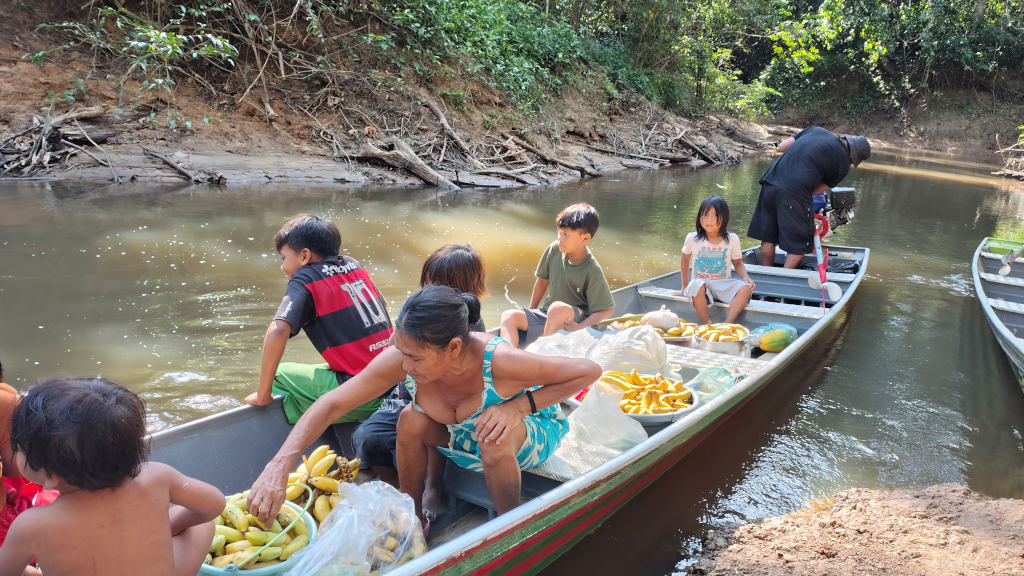
Videos:
- Mobility and Sustainability Support for the Vari Viño Village
- Harvest can now be transported
- Family enjoying the boatride
- Boat ride video #1
- Boat ride video #2
July 2026 – Água Viva Becomes Operational
Click here to watch the solar well working for the first time.
At the same time, the Água Viva project was approaching completion.
New photographs and video were arranged showing the well fully operational and, most importantly, showing the families of Mese Kamanawa actually using the clean water in their everyday lives.
This documentation is important to us.
When funds are raised or donated in the name of Indigenous communities, we believe there should be transparency about where those funds ultimately go. We therefore greatly appreciate receiving photographs, video and the forthcoming accountability report documenting the implementation of these projects.
July 28, 2026 – Bringing the Projects to the Wider Katukina Community
On 28 July 2026, Conexão Ancestral prepared a complete campaign briefing so that we could begin presenting these projects more clearly through Katukina.com and our associated channels.
The central idea they proposed was simple:
The medicine that comes from the forest can also help sustain the people who protect that forest.
Through the Katukina Rapé collection — and through our wider Rapé range — customers can participate indirectly in this continuing cycle of support.
The projects demonstrate what can become possible when the relationship between Indigenous producer, specialist supplier and customer extends beyond the purchase of a product.
The Rapé travels outward from the Amazon.
Part of what it generates can travel back.
How Customers Can Contribute
These projects have already required substantial financial commitments from Katukina.com and Katukina.us.
We do not regard the completion of these two projects as the end of our responsibility toward the Katukina people.
For this reason, customers who wish to support the initiative can simply purchase any of the available Katukina Rapés.
However, the support is not restricted to Katukina varieties. Purchases from our other Rapé collections also contribute to the strength of the business and therefore to our ability to continue financing projects of this kind.
Purchases serve two connected purposes.
First, they help replenish part of the funds that have already been committed and donated toward the current Katukina projects, allowing us to continue operating sustainably while undertaking substantial contributions of this nature.
Second, and more importantly, they help maintain the financial capacity needed to continue supporting the Katukina communities in the future when new needs, emergencies or worthwhile community projects arise.
This makes the initiative more than a single fundraising campaign.
Our aim is to develop an ongoing relationship in which commercial activity surrounding traditional Rapé can also generate meaningful and practical support for the people and communities responsible for preserving these traditions.
Reciprocity With the Forest Guardians
The Noke Ko'í have preserved their knowledge of the forest, their medicines, their plants and their spiritual traditions across generations.
The Rapé that reaches our customers originates within this much larger cultural world.
Supporting the communities responsible for these traditions is therefore not simply charity. It is a form of reciprocity.
A boat can mean that crops reach a market rather than being lost.
It can mean that a sick child or elder can reach medical assistance.
A solar-powered well can mean thousands of litres of clean drinking water every day for families choosing to maintain their lives deep within the forest.
These are practical improvements with lasting consequences.
We are grateful to everyone who purchases from Katukina.com and Katukina.us, because continued support from our customers allows us not only to work with these extraordinary traditional products, but also to give something substantial back to the communities from which they originate.
Receive from the forest. Give back to its guardians.
Click here to see all photos and videos of the Katukina Boat Project.
Click here to see all photos and videos of the Artisan Well Project.
(You must be logged into google to view the videos and pictures otherwise you wont be able to click on them.)
Previous Sponsoring Projects
The current projects are part of a much longer history of cooperation and support. Long before the present fundraising initiative, Katukina.com and its customers had already helped finance several practical projects intended to strengthen the Katukina community and support their wish to preserve their traditional way of life.
As our relationship deepened, we took steps to support the Katukina in more concrete ways. One of our first major collaborations, back in 2018, was the sponsorship of a Medicine House within their new village, which Chief Fernando established in a more secluded area of the forest to create greater distance from some of the pressures of the outside world, including alcohol. The Medicine House, now complete, serves as a sacred space for preparing traditional medicines, including Rapé, Sananga, and Ayahuasca. Situated in the heart of the forest, it is a sanctuary where the Katukina can gather, practice rituals, and honour their ancestral beliefs. It also provides a welcoming space for visitors who approach with a respectful interest in the Katukina’s way of life, creating a bridge between cultures through shared understanding and respect.
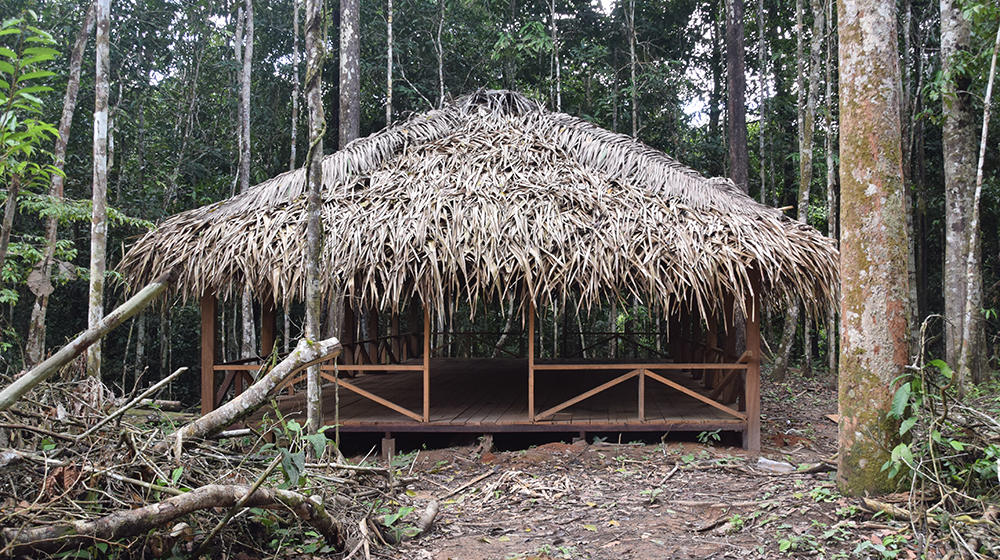
Following the completion of the Medicine House, we supported another essential project for the Katukina’s new forest village. In 2019, we donated toward the construction of a water well, ensuring that the village had reliable access to fresh water. The well supports daily life in the community and supplies the Medicine House, helping the Katukina continue their practices sustainably. Together, these projects have contributed to the community’s ability to remain rooted in its customs and maintain its way of life in closer harmony with the forest.
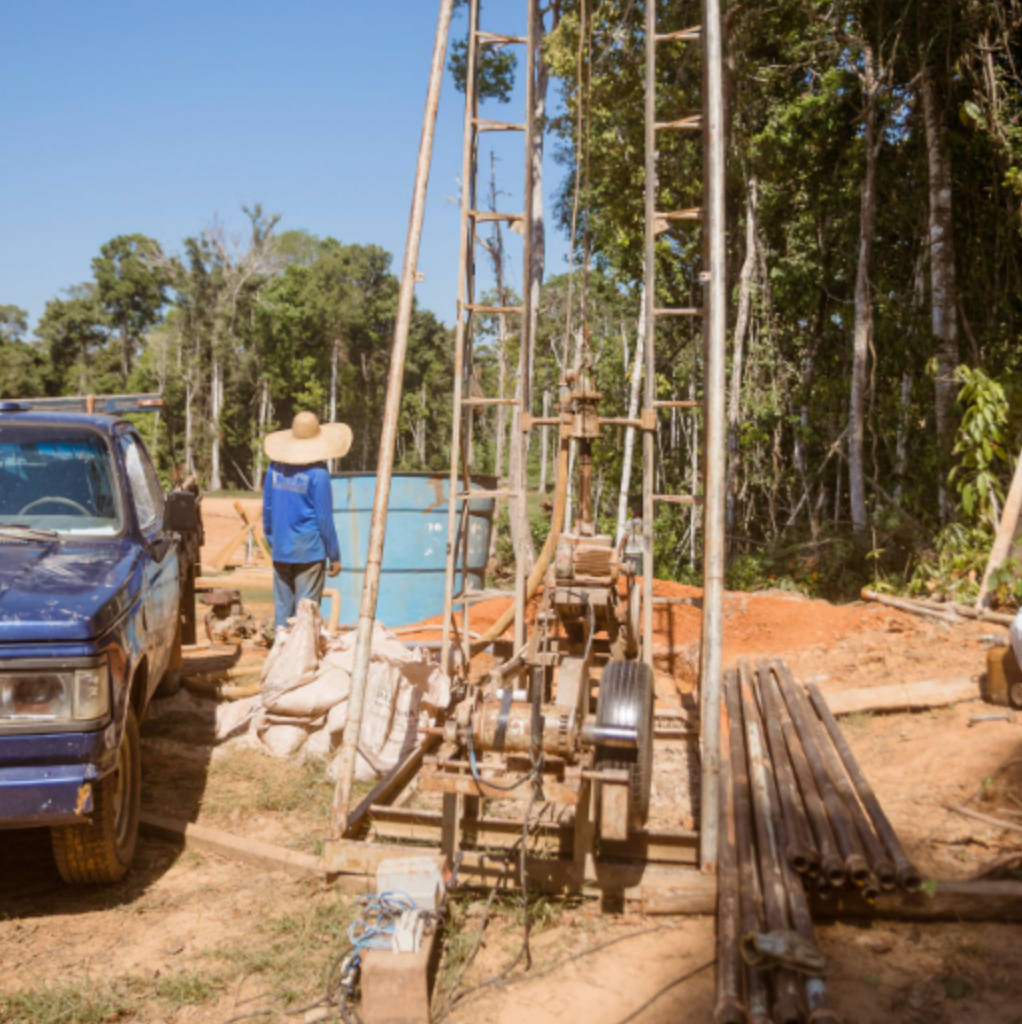
These initiatives were only possible because of the trust and support of our customers, whose purchases have helped make this kind of practical assistance possible. On behalf of the Katukina people and all of us at Katukina.com, we extend our sincere gratitude to everyone who has contributed over the years. The support of our customers has allowed our relationship with the Katukina to develop beyond simply sourcing traditional products and into a continuing relationship of reciprocity and practical support.
Chief Fernando Katukina and His Thoughts for the Future
In April 2019, before his passing, the late Chief Fernando Katukina spoke with our contact in Brazil about the future of his community. In a heartfelt video, Chief Fernando discusses the significance of the recently constructed Medicine House and shares his vision for the future of his people and their connection to the forest. He speaks candidly about the challenges his community faces, the effects of modernisation, and the importance of preserving their sacred traditions. This transcript captures Chief Fernando’s commitment to his people’s cultural heritage and his hope for their continued resilience and unity.
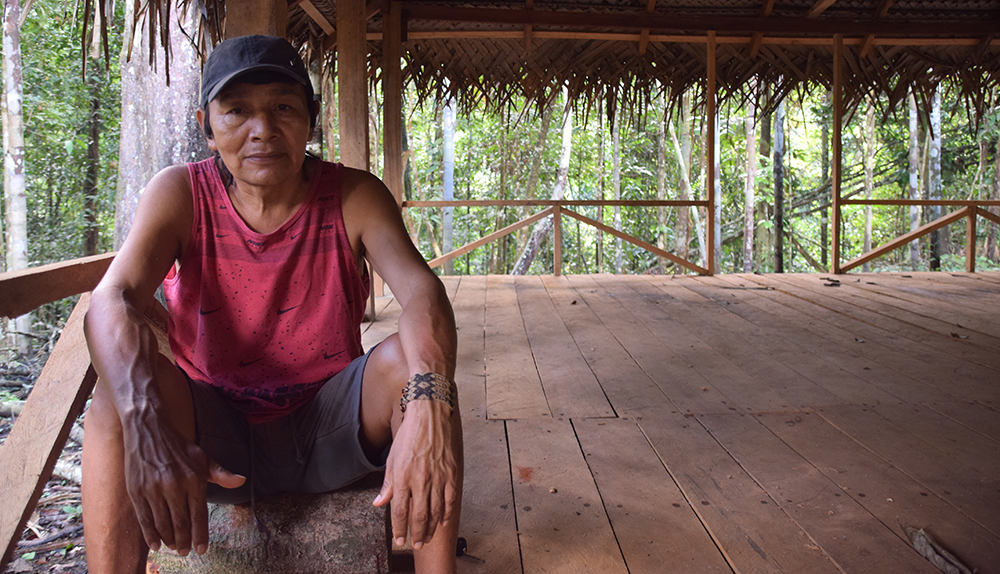
Click here for the full transcript.
A Circle That Continues
When we began offering Rapé in 2015, authentic tribal Rapé was still scarcely available online and remained largely unknown outside a relatively small circle of people familiar with Amazonian traditions. By sourcing directly from established contacts in Brazil and making these preparations available to a much wider international audience, we became part of a pioneering movement that helped bring Rapé from a rare and difficult-to-find traditional medicine into much broader awareness. What began with small batches, sometimes arriving from the forest in the simplest recycled containers, gradually developed into an international exchange that created new opportunities not only for ourselves, but also for our Brazilian source and the many Indigenous communities connected through him.
Over the years, this growing exchange has helped create a remarkable circle. Our Brazilian partner has become far more than a middleman: through his relationships with numerous Indigenous peoples, and now through Conexão Ancestral, he has been able to return substantial support directly to the communities, while encouraging and strengthening connections with their own traditional medicines and practices. In turn, the continued interest in authentic Rapé has helped sustain the people who prepare it and has made possible projects such as the Medicine House, water wells, river transport and other forms of direct community support.
Above all, none of this would have been possible without our customers. We are deeply grateful to those who have supported us for many years, from the time when Rapé was still a rare curiosity scarcely found online, and equally grateful to every new customer discovering these traditions today. Every order has contributed, directly or indirectly, to keeping this exchange alive and allowing us to continue giving something meaningful back to the people and communities from whom these traditions originate. What started as the sharing of a rare Amazonian medicine has grown into a long-term relationship of exchange, responsibility and reciprocity, and we hope to continue that circle for many years to come.
In gratitude,
Maurice and the entire Katukina team.
Explore the World of Tabaco and Rapé: Insights, Uses, and Techniques
Rapé is more than just a herbal snuff—it's a sacred tool rooted in indigenous wisdom and ceremony. Whether you're new to this plant medicine or deepening your practice, the resources below offer guidance on safety, intention, and the many ways Rapé can support emotional, energetic, and spiritual work. From foundational questions like What is Rapé? to practical how-to guides for making and refining your own blends, each article is here to support informed, respectful, and intentional use.
Browse the articles to learn more
------------
Sacred Tabaco Varieties: Origins, Properties, and Traditional Uses
Tabaco has long held a central place in shamanic, ceremonial, and healing traditions throughout the Americas. Each variety carries its own energetic quality, strength, and cultural context. Whether used in Rapé, prayer, smoke rituals, or as an offering, Tabaco is considered a bridge between the human and spirit worlds. The articles below explore six key Tabacos, detailing their origins, characteristics, and how they are used both traditionally and today. This collection is designed to help you make informed, respectful choices about the Tabacos you work with.
------------
Deepening the Practice: Rapé in Process Work and Ceremony
The following articles are not written to promote Rapé to new users, nor are they presented as medical advice or cure. They are intended to support experienced practitioners and facilitators in understanding the broader dimensions of Rapé use. Whether you're holding space in ceremony, guiding newcomers, or working through your own inner process, these writings offer perspectives that highlight Rapé’s deeper potential—emotional, energetic, and integrative. They aim to enrich how we relate to this sacred tool and the role it can play in conscious, intentional practice.
Explore the articles about Process Work and Ceremony
------------
Indigenous Lineages and Sacred Knowledge
The strength and authenticity of traditional medicines—such as Rapé, Sananga, and sacred Tabaco—are rooted in the cultures that preserve and pass them on. Each tribe carries a unique cosmology, relationship with the forest, and set of rituals that give context and meaning to these plant allies. In this section, you’ll find introductions to various indigenous peoples who steward this ancestral wisdom. From the forests of Acre to the highlands of the Andes, each group brings its own voice, its own medicine, and its own way of honoring the sacred.
Explore their stories and traditions
------------
Sacred Ashes – The Alchemy of Trees
In traditional Rapé preparation, ashes are not just a base—they are carriers of spirit. Made from the burned bark, wood, or roots of sacred trees, these ashes are chosen with intention for their energetic, healing, or grounding properties. Each type of ash has its own character: some are calming, others stimulating; some connect to the heart, others to the root. Indigenous tribes across the Amazon select and prepare these ashes according to lineage knowledge passed down for generations.
Learn more about the unique energies and traditional uses of each type
------------
Sacred Botanicals and Natural Allies
A wide array of sacred botanicals have been revered across cultures for their unique spiritual, energetic, and healing qualities. These plants, resins, and roots are used in rituals, ceremonies, or personal practices to cleanse, protect, open perception, or connect more deeply with the self and nature. Whether burned, brewed, anointed, or held in prayer, each carries a specific vibration and story.
Explore the qualities and traditional uses of each sacred ally
------------
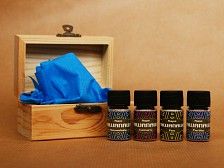
| Rapé Wooden Box set The Sacred Yawanawa set |
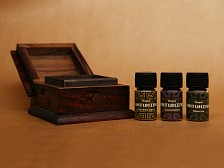
| Rapé Wooden Box set The Sacred Katukina set |
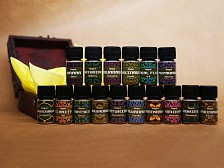
| Rapé Wooden Box set The Sacred Signature set |
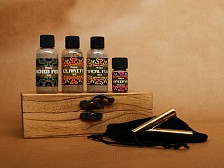
| Rapé Wooden Box set The Sacred Originals set |

| Shipibo Embroidery 32 x 47 cm |
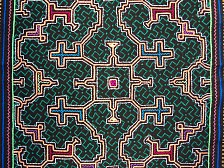
| Shipibo Embroidery 35 x 35 cm |
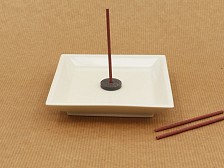
| Porcelain Incense Tray Cream |
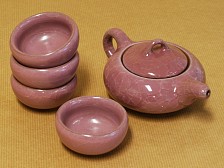
| Ceramic tea set 5 parts pink |
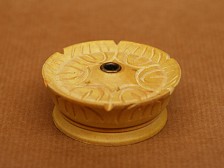
| Incense stick holder - wood Lotus light wood |
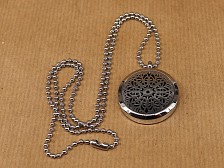
| Aromatherapy Pendant Steel Star |
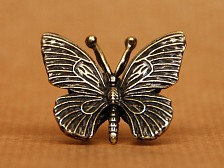
| Brass Animal butterfly |
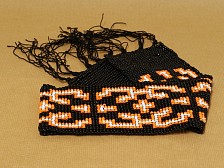
| Beaded Belts Shipibo black, orange & white, 10 x 64,5 cm |

| Yawanawa Tsunu sticker |
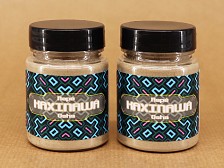
| Kaxinawa Osha pot, 60 ml, 40 gr |
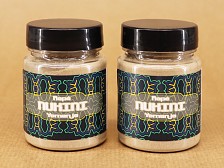
| Nukini Yemanja pot, 60 ml, 40 gr |
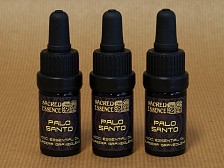
| Palo Santo Essential Oil bottle with pipette, 10 ml |
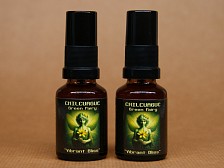
| Chilcuague Green Fairy - Vibrant Bliss bottle with sprayer, 22 ml |
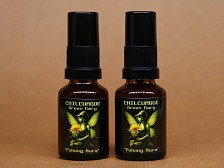
| Chilcuague Green Fairy - Pulsing Aura bottle with sprayer, 22 ml |
| Raw Arapiraca 500 gr |