Copaíba (Copaifera spp.) Ashes — Sacred Resin of Restoration and Deep Grounding
Introduction
Copaíba ashes, prepared from the bark and heartwood of trees in the Copaifera genus, offer a uniquely grounding presence within the Amazonian Rapé tradition. While the tree is best known for its aromatic oleoresin—often referred to as “Amazonian balsam”—the ashes of its dense hardwood carry their own spiritual significance. They are valued for supporting integration, stability, and a deep return to bodily presence after intense ritual or emotional work.
Copaíba combines the qualities of earth and resin: anchoring, cohesive, and gently protective. In Rapé, its ashes help to organise dispersed energy, centre the practitioner, and encourage the embodiment of insights gained through ceremony.
Cultural History and Spiritual Significance
Among tribes such as the Yawanawá, Katukina, and other forest lineages, Copaíba is honoured as a tree spirit associated with protection, restoration, and energetic repair. The oleoresin is widely used in traditional contexts to support the skin and body’s natural recovery processes, while the ashes serve a complementary role in spiritual work.
Copaíba ashes are traditionally applied when a practitioner needs to “come back into themselves” after visionary states, catharsis, or expanded energetic experiences. They are regarded as a guardian ally. Dense yet gentle, grounding yet soothing, used to seal the energy field, rebuild internal coherence, and support emotional steadiness.
In ceremonial settings, the ashes are often chosen to consolidate insights, settle overstimulation, and bring the spirit home after deep inner exploration.
Energetic Qualities and Holistic Benefits
- Grounding and Integration - Helps stabilise the practitioner after powerful spiritual or emotional experiences, promoting a sense of embodied clarity.
- Energetic Sealing - Used to protect and contain the energy field following cleansing or expanded states, preventing dispersion and supporting coherence.
- Soothing Presence - Offers a calm, embracing quality that encourages inner balance, quiet focus, and restorative strength.
These properties make Copaíba ashes especially suitable for integration phases, reflective practices, and rituals that benefit from softness and grounding.
Use in Rapé
Copaíba ashes contribute a deep, velvety grounding effect to Rapé blends. Rather than sharpness or intensity, they bring fullness, warmth, and a calm descent into the body. Many practitioners describe the sensation as a “quiet settling,” a gentle return to centre.
Copaíba-based Rapés are commonly used:
- After Ayahuasca, Kambo, or breathwork sessions
- During emotional or energetic integration
- In evening ceremonies or calming rituals
- Whenever containment, stability, or inward alignment is needed
These ashes blend especially well with softer Tabacos and calming ashes such as Mulungu, enhancing their restorative and stabilising qualities.
Flavour Profile
Copaíba ashes have a smooth, resinous flavour with subtle sweet–woody tones. The taste is rounded and comforting, lacking the bitterness or sharpness associated with more assertive ashes. It sits easily in the sinuses and throat, reinforcing its role as a gentle, grounding ingredient.
Botanical and Ethnobotanical Profile
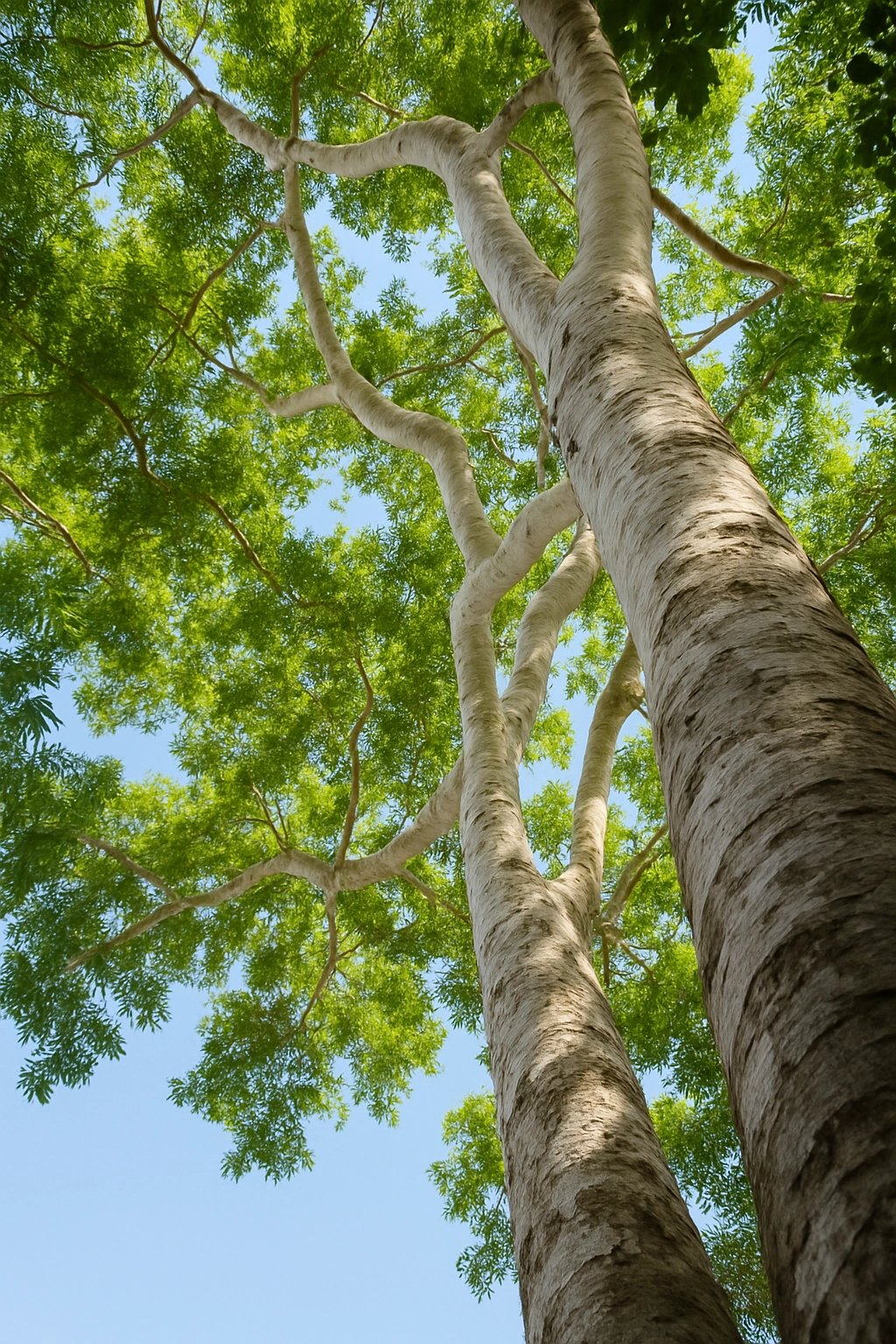
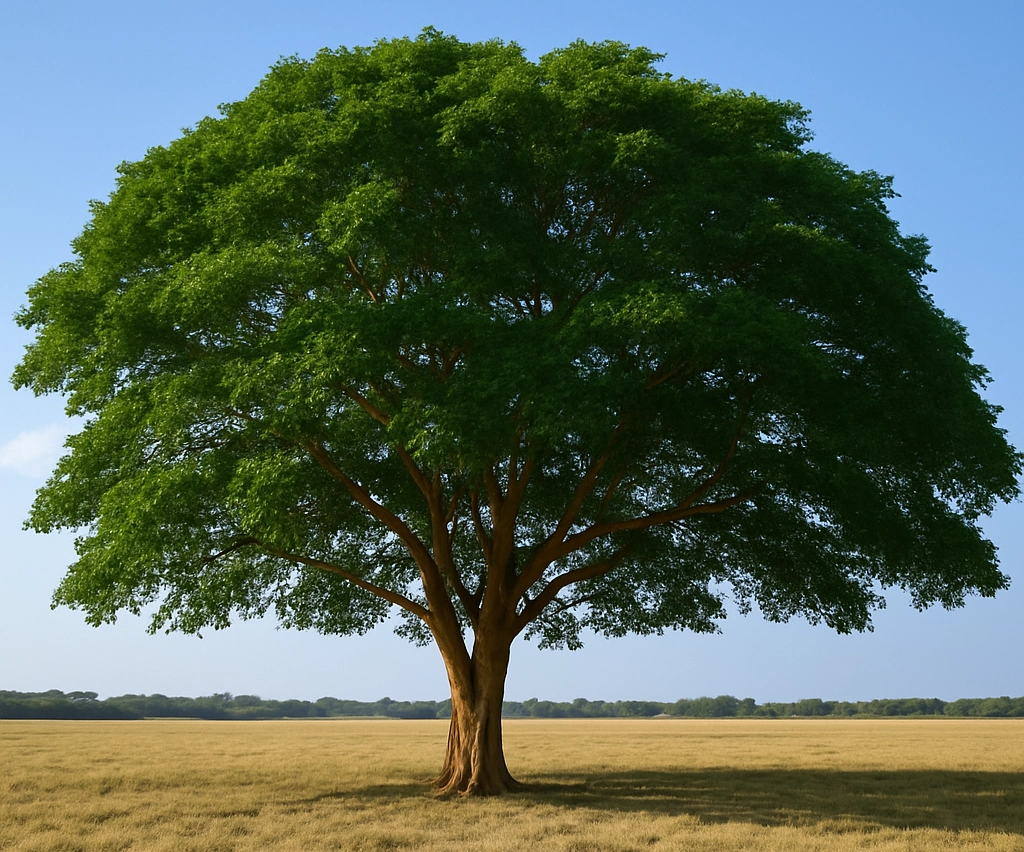
Scientific Name: Copaifera spp. (including C. officinalis, C. langsdorffii)
Common Names: Copaíba, Copal, Balsamo
Family: Fabaceae
Distribution: Tropical South America (Brazil, Colombia, Venezuela)
Height: 20–40 metres
Leaves: Pinnate, glossy, dark green
Flowers: Small, pale yellow-white, pollinated by insects
Wood: Dense, resin-rich heartwood used both for resin tapping and ceremonial ash preparation
Copaíba trees are long-lived and deeply integrated into the ecological and cultural fabric of the Amazon.
Traditional Uses
Copaíba resin has been used for centuries by forest peoples to support the body’s natural renewal processes and to maintain the health of skin and tissues. It is also incorporated into vapours and infusions intended to encourage respiratory openness and general vitality.
Spiritually, both resin and ashes play a role in cleansing, sealing, and balancing rituals. They are used in spiritual baths, smoke practices, and grounding ceremonies where recovery, integration, and emotional coherence are needed.
Scientific Notes
Modern research on Copaíba resin highlights compounds—such as β-caryophyllene—that are of interest for their potential roles in supporting the body’s natural responses to irritation and environmental stress. Studies also explore its relevance to skin stability and antioxidant activity. These scientific perspectives complement, but do not define, its ceremonial uses within Indigenous traditions.
Harvesting and Ash Preparation
Copaíba ashes are produced by burning dried bark or heartwood under controlled conditions. Traditional preparation methods emphasise ethical sourcing, using naturally fallen wood or carefully pruned branches to protect the tree and forest ecosystem.
The resulting ashes are finely sieved into a smooth, clean powder suitable for incorporation into Rapé. In ceremonial settings, this process is carried out with prayer or intention, honouring the spirit of the tree and acknowledging its role as a protective and restorative ally.
Conclusion
Copaíba ashes offer a deep, grounding presence within the Rapé tradition. They help stabilise the practitioner after transformative experiences, encourage inner coherence, and provide gentle protection during emotional or energetic integration. Revered across Amazonian cultures, Copaíba stands as a sacred tree of restoration, strength, and quiet resilience. Used alone or within carefully crafted blends, it brings a resinous calm that supports the path of centred, grounded awareness.
Setting the Standard for Ultra-Fine Ashes
We take great care to reprocess all received ash stock to ensure the highest quality for your use. Ashes often arrive with natural impurities such as small bits of charcoal, sand, and other particles, as they are traditionally prepared without modern equipment. To guarantee purity and consistency, we meticulously sieve all ashes, removing any rough bits and impurities. The result is an ultra-fine powder, sifted to a 150-micron fineness using laboratory-grade sieves and advanced dehydrating equipment. This process ensures smooth, clean ashes, providing an enhanced experience for all your Rapé preparations.
Create Your Own Rapé with Tabaco Powders and Ashes
Ever been curious about creating your own Rapé blend? Rapé typically consists of two key components: Tabaco and ashes. These can be mixed with a wide variety of aromatic or medicinal ingredients to suit your preferences. More information on the process can be found here.
Disclaimer
The information provided above is for historical, educational, and scientific purposes only. It should not be interpreted as a recommendation for the specific use of our products. Any statements about traditional uses are informational. The use and application of our products are the customer's decision and responsibility.
Copyright Notice
All content, including this article, is protected under copyright law. Any unauthorized reproduction, distribution, or use of this material is prohibited. Duplication of this content, in whole or in part, without written consent, is a violation of copyright regulations.
Availability
Copaíba ashes are available and can be purchased here.